
Visual content drives engagement across every digital channel, yet producing a high volume of custom graphics often drains internal resources. Embracing AI image generation marketing empowers brands to create stunning, tailored visuals in seconds rather than days. However, navigating this technology requires understanding both its immense creative potential and its current boundaries.
1. The Rise of Generative AI in Modern Marketing Campaigns
Digital marketing thrives on constant visual novelty. Whether you need daily social media graphics, eye-catching blog headers, or dynamic ad variations, traditional design pipelines struggle to keep pace. Generative AI tools bridge this gap by translating text prompts into polished imagery instantly. Marketers can now experiment with diverse artistic directions, test multiple ad creative variants, and maintain a vibrant brand presence without expanding their design headcount.
Moreover, integrating AI-driven visuals into your content strategy unlocks hyper-personalized campaigns. Instead of relying on generic stock photos that audiences scroll past, brands can generate contextual imagery tailored to specific audience segments, geographic locations, or seasonal promotions. This agility transforms how small and mid-sized businesses compete with enterprise-level budgets.
2. Practical Use Cases for AI-Generated Marketing Visuals
Applying artificial intelligence to your visual workflow works best when targeting specific repetitive design tasks. Here are four high-impact areas where AI excels:
- Social Media Post Graphics: Instantly create eye-catching backgrounds and conceptual illustrations to accompany your daily posts.
- Blog Featured Images: Generate unique header illustrations that summarize your article's core theme, boosting click-through rates.
- Ad Creative Variations: Rapidly produce dozens of product background iterations for A/B testing across Meta and Google ad networks.
- Email Newsletter Banners: Design seasonal or promotional headers that grab attention right inside the inbox.
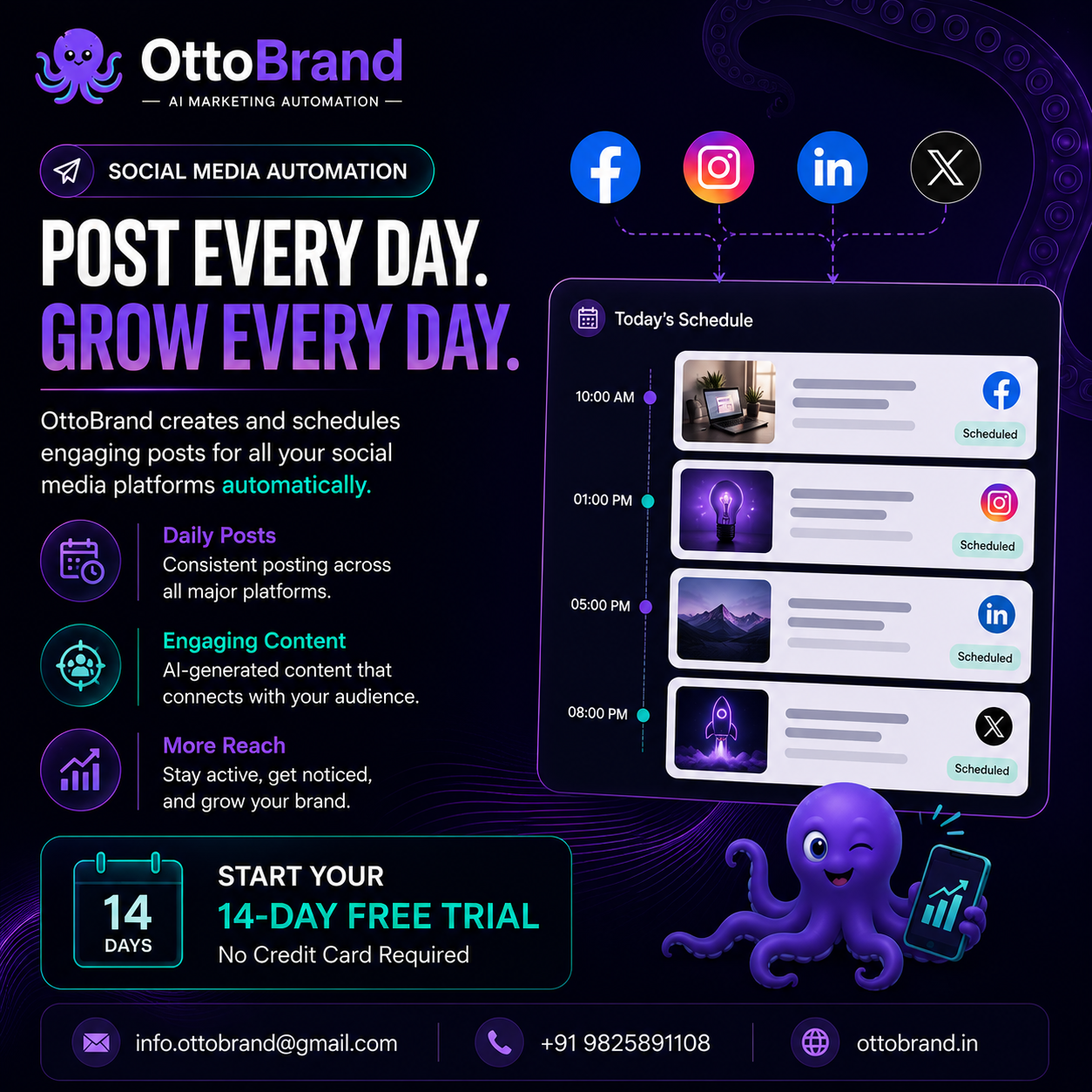
Consistency is key to successful scaling. Platforms like ottoBrand streamline this entire workflow by auto-posting optimized social media content complete with AI-generated visuals, ensuring your digital presence remains active on autopilot.
3. Understanding the Limitations and Pitfalls
While generative models are remarkably powerful, treating them as a silver bullet leads to costly mistakes. Recognizing the inherent limits of AI-generated imagery protects your brand reputation and keeps your campaigns legally safe.
Common challenges include anatomical distortions (such as extra fingers or warped text), inconsistent character rendering across multiple images, and copyright ambiguities regarding training data. Furthermore, AI often struggles to incorporate precise brand typography or complex vector elements without manual retouching. Successful marketers use AI as a first-draft generator rather than a final publishing tool.
4. Best Practices for Prompt Engineering and Brand Consistency
Mastering AI image generation marketing requires precise communication with the algorithm. Vague prompts yield generic stock-like outputs, while specific, structured prompts deliver professional results. Use a reliable formula when writing prompts: Subject + Style + Lighting + Composition + Color Palette.
To maintain brand consistency, establish a visual style guide specifically for your AI workflows. Document the exact terminology, artistic mediums, and color codes that align with your brand identity. Feeding these parameters into your prompt templates ensures that whether you generate an ad banner or a blog header, the visual tone remains unified across all touchpoints.
5. Balancing AI Efficiency with Human Oversight
Efficiency should never come at the expense of authenticity. While AI tools can produce thousands of images in an hour, human judgment remains irreplaceable for quality control. Every AI-generated asset should undergo a rigorous review before publication to check for factual errors, cultural insensitivity, or accidental brand misalignments.
Think of AI as a talented junior designer who works at lightning speed but needs senior direction. By combining rapid machine generation with human editorial oversight, your marketing team achieves the ideal balance of speed, scale, and brand integrity.
Conclusion
AI image generation has officially transitioned from a futuristic novelty into an essential marketing capability. By understanding its practical strengths and acknowledging its limitations, you can scale your visual content output efficiently. Embrace these tools to supercharge your creative workflow, maintain consistent audience engagement, and drive measurable growth across your digital channels.