
Content marketing has always been a game of volume and velocity, but in 2026, manual publishing simply cannot keep pace with algorithm updates and competitor output. Embracing auto blogging has evolved from an experimental shortcut into an essential operational strategy for businesses looking to dominate organic search results without burning out their marketing teams.
The Evolution of Auto Blogging: From Scraping to Semantic AI
Early iterations of automated blogging relied heavily on spun text, keyword stuffing, and scraped RSS feeds that provided little to no value for human readers. Search engine algorithms quickly caught on, penalizing sites that prioritized quantity over quality. Today, the landscape is entirely different. Modern auto blogging platforms leverage advanced large language models capable of true semantic understanding, contextual reasoning, and brand voice alignment.
Instead of regurgitating existing web pages, modern AI agents conduct real-time web research, analyze top-ranking search intent, and synthesize original insights. This shift means automated content can genuinely answer user queries, cite credible sources, and satisfy search engine quality raters. When configured correctly, autonomous publishing engines produce articles that are indistinguishable from those written by seasoned human copywriters.
Defining Your Content Strategy Before You Automate
Automation without strategy is just high-speed noise. Before you turn on an automated publishing pipeline, you must establish clear guardrails for your brand. Your foundational strategy dictates whether your automated system builds authority or simply clutters the index.
- Keyword Taxonomy: Group your target keywords into logical content clusters and topic silos.
- Brand Guidelines: Define precise tone-of-living rules, formatting preferences, and forbidden phrasing.
- Publishing Frequency: Establish a realistic cadence, whether that is three posts a week or a daily industry briefing.
- Internal Linking Rules: Map out how new articles should connect to your core product and conversion pages.
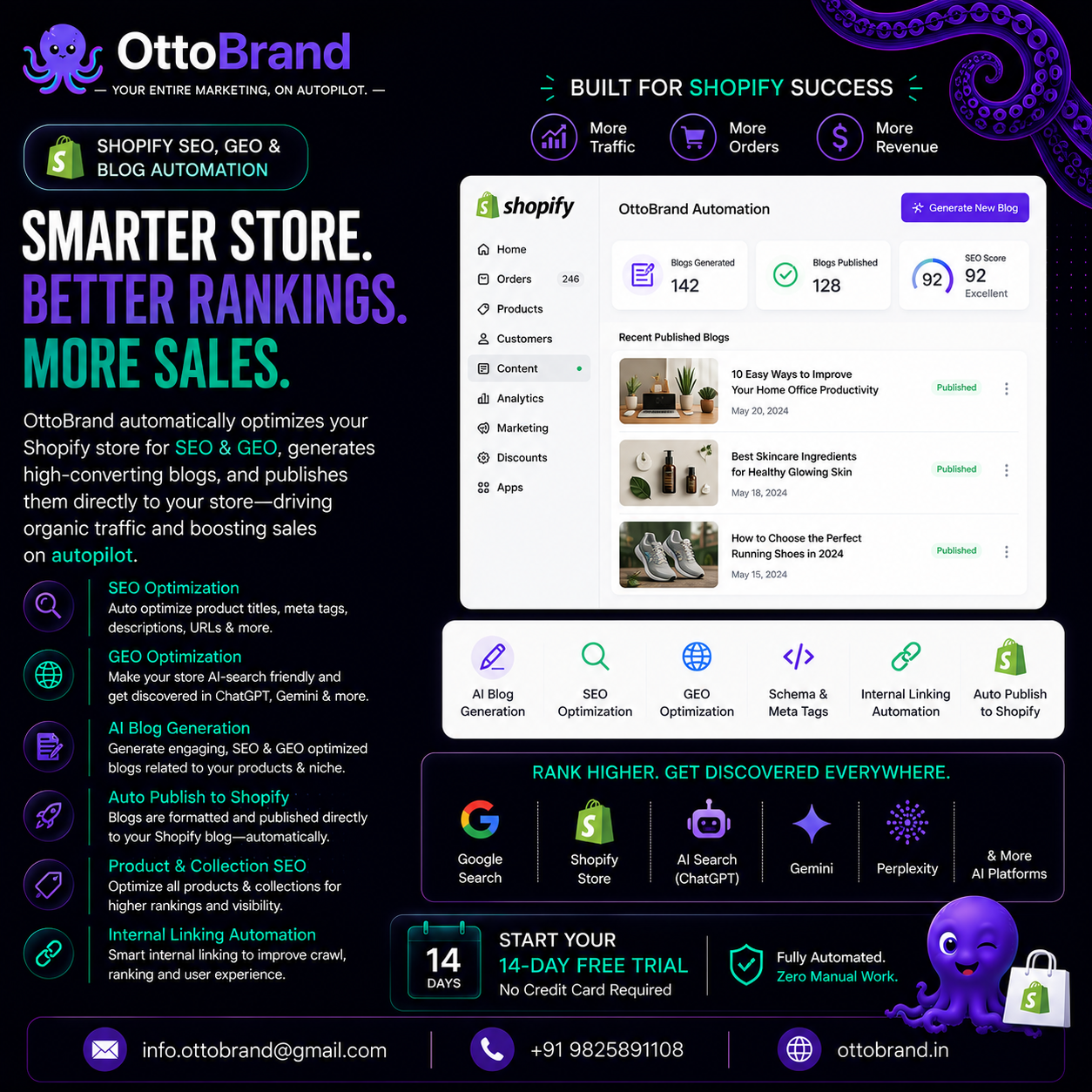
Without these parameters, even the most sophisticated auto blogging software will wander off-brand. Tools like ottoBrand streamline this setup by ingesting your company profile and existing content style to ensure every automated post aligns with your broader marketing objectives.
Integrating Real-Time Data and Fact-Checking
One of the primary historical criticisms of automated publishing has been factual drift or stale information. In 2026, search engines heavily penalize outdated content and unverified claims. Effective auto blogging frameworks must integrate live web search APIs and automated fact-checking protocols before any piece goes live.
When a topic is selected, the system should pull recent statistics, industry reports, and current news items to weave into the narrative. Furthermore, rigorous self-editing prompts within the generation pipeline check for logical consistency, tone drift, and plagiarism flags. This multi-step validation loop guarantees that your site maintains high E-E-A-T scores across every single published URL.
Structuring the Autonomous Publishing Pipeline
Building a reliable auto blogging machine requires a clear workflow from ideation to indexation. By breaking the process down into discrete, automated stages, you maintain control while eliminating manual bottlenecks.
- Trend and Keyword Discovery: AI scans search console data, competitor gaps, and trending topics to generate a prioritized content calendar.
- Outline and Brief Generation: The system creates a comprehensive structural brief, selecting appropriate H2 and H3 headings based on PAA (People Also Ask) data.
- Drafting and Media Selection: The core article is generated alongside relevant alt text, meta descriptions, and schema markup recommendations.
- Review and Polish: The content passes through a brand-voice filter before scheduling.
- Distribution: Once live, the post automatically pings search engines and shares across connected social media channels.
Measuring ROI and SEO Performance Metrics
Automating your content workflow frees up significant time, but you must still monitor performance to ensure your investment pays off. Tracking the right metrics separates successful automation campaigns from vanity publishing.
- Organic Traffic Growth: Monitor month-over-month increases in non-branded search impressions and clicks.
- Keyword Ranking Velocity: Track how quickly new automated pages move into the top 10 positions for target queries.
- Indexation Rate: Ensure that search engine crawlers discover and index your automated posts within hours of publication.
- Engagement Metrics: Watch average time-on-page and bounce rates to confirm that human visitors find the automated content genuinely helpful.
Platforms like ottoBrand bring these analytics directly into your dashboard, allowing you to see which automated topics drive real conversions so the AI can automatically double-down on high-performing content clusters.
Balancing Automation with Human Oversight
While fully autonomous publishing is entirely possible, the most successful brands maintain a healthy hybrid approach. Total hands-off publishing works exceptionally well for high-volume informational queries, local service updates, and programmatic product descriptions. However, flagship brand pieces, proprietary research announcements, and sensitive industry commentaries still benefit from a quick human review.
Think of your auto blogging setup as a tireless junior content team. They handle the heavy lifting, draft the foundational research, optimize for technical SEO, and publish on schedule. Your human team then acts as the executive editor, steering strategy and adding unique personal anecdotes that AI cannot replicate.
Conclusion
Auto blogging in 2026 is no longer about spamming search engines with low-grade text; it is a sophisticated discipline rooted in efficiency, relevance, and data-driven strategy. By leveraging modern AI platforms to handle research, drafting, on-page optimization, and distribution, your business can capture immense search visibility with minimal friction. Embrace automation responsibly, keep your brand guardrails tight, and watch your organic growth compound on autopilot.