
When a potential customer in your neighborhood searches for your services, showing up at the very top of the results page can make or break your month. Mastering local SEO is the single most effective way to capture high-intent buyers who are ready to make a purchase today.
Understand the Anatomy of the Google Map Pack
The Local Pack—commonly known as the Map Pack—is the prominent block of three business listings that appears below the paid ads and above organic search results on Google. Securing one of these three spots puts your business front and center on both desktop and mobile screens, generating an immediate surge in phone calls, website clicks, and in-person visits.
Unlike traditional organic rankings that rely heavily on backlink profiles and deep content libraries, the Map Pack is heavily influenced by proximity, relevance, and prominence. Google wants to serve the closest, most helpful business to the user. Understanding how these three pillars interact is the foundation of any successful local optimization strategy.
Optimize Your Google Business Profile Completely
Your Google Business Profile (GBP) is the beating heart of your local search presence. If your profile is incomplete, outdated, or unverified, your chances of ranking in the Map Pack are virtually zero. Start by claiming your profile and ensuring every single field is filled out with absolute precision.
- Business Name: Use your real legal business name. Do not stuff keywords into your name, as this violates Google's guidelines and risks suspension.
- Categories: Choose your primary category carefully. It carries the most weight in local search algorithms. Add 2 to 4 relevant secondary categories to capture broader searches.
- Hours and Attributes: Keep holiday hours updated and check off every relevant attribute (e.g., wheelchair accessible, veteran-owned, free Wi-Fi).
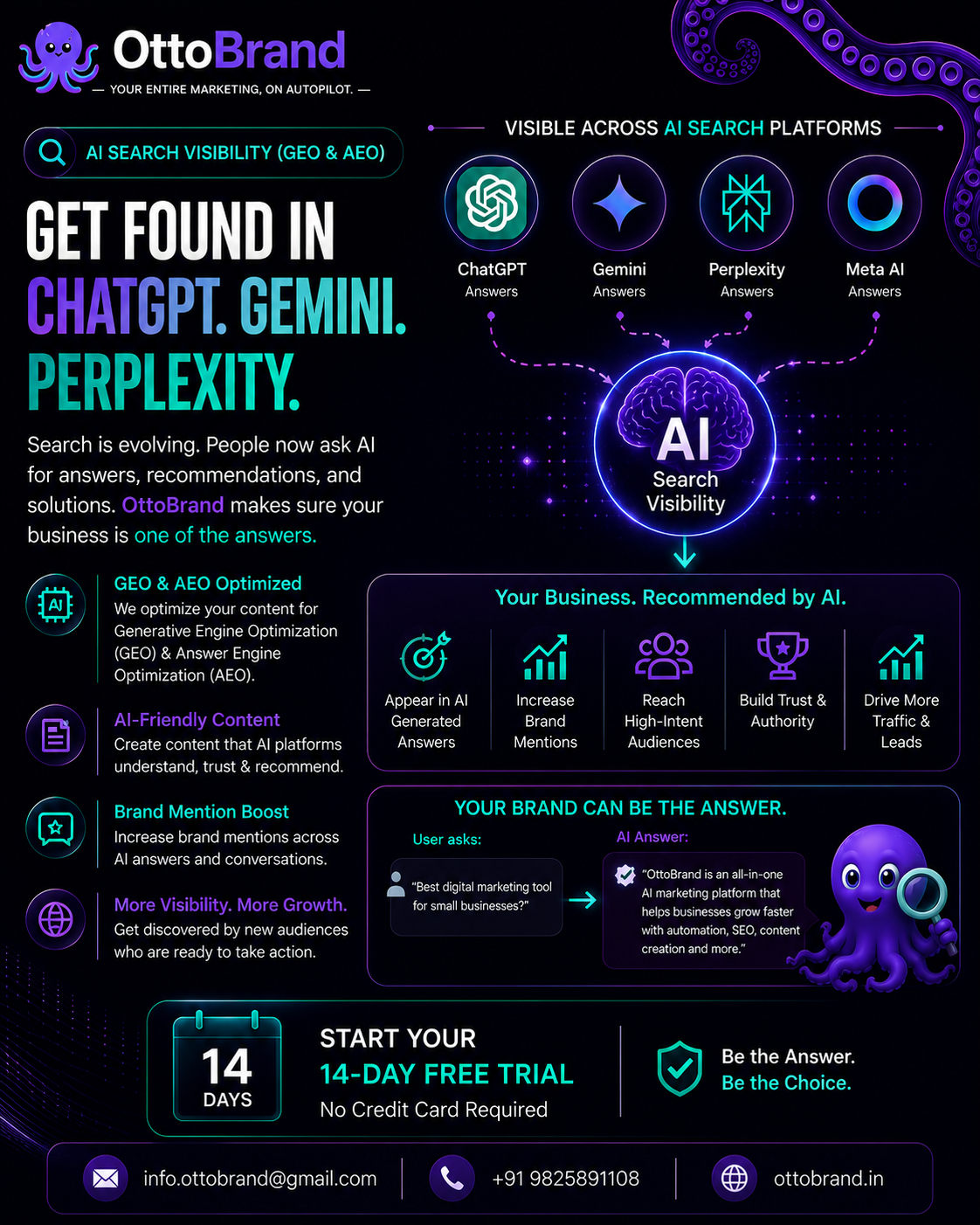
Managing your profile consistently takes time, which is why many owners leverage tools like ottoBrand to handle routine GBP updates and posts on autopilot.
Master NAP Consistency and Local Citations
Google cross-references your business information across the entire web to verify your legitimacy. NAP stands for Name, Address, and Phone number. If your business name is listed as "Joe's Plumbing LLC" on your website, "Joe's Plumbing Inc." on Yelp, and has a different phone number in local directories, Google gets confused—and confusion kills rankings.
Conduct a comprehensive audit of your online citations. Ensure your NAP is formatted identically on major data aggregators, industry-specific directories, and your social media channels. Clean data builds algorithmic trust, which directly correlates with higher Map Pack rankings.
Generate and Manage Customer Reviews
Reviews are one of the most powerful ranking factors in local search, and they heavily influence consumer behavior. A business with 150 four-and-a-half-star reviews will almost always outrank a competitor with five reviews and a three-star average, regardless of proximity.
Implement a systematic process for gathering reviews:
- Send an automated text or email follow-up within 24 hours of service completion.
- Include a direct link to your Google review form to reduce friction.
- Respond to every single review—positive and negative—within 48 hours. Use natural keywords in your responses when appropriate.
Build Locally Relevant Content and On-Site SEO
While your Google Business Profile drives map rankings, your website supports those rankings through local relevance. You cannot rely on a generic homepage to rank for every neighborhood you serve. Create dedicated location pages if you operate in multiple areas, and embed interactive Google Maps into your contact page.
Integrate geo-targeted keywords naturally into your title tags, meta descriptions, headings, and body copy. For example, instead of writing "We provide emergency plumbing services," write "We provide 24/7 emergency plumbing services in Austin, TX." Keeping your technical on-site SEO optimized across all these local landing pages ensures search engines crawl and index your content efficiently.
Track Your Local Rankings and Adjust Your Strategy
Local SEO is not a one-time setup task; it is an ongoing marketing channel. Search algorithms shift, competitors optimize their listings, and user behavior evolves. You must actively track your visibility in the Map Pack across different zip codes in your target service area.
Monitor metrics such as direct vs. discovery searches on your Google Business Profile insights dashboard. Are people finding you by searching your brand name, or are they finding you by searching your core services? Use these insights to refine your content strategy, update your photo gallery, and adjust your promotional offers.
Conclusion
Ranking in the Google Map Pack transforms small businesses by putting them directly in front of high-intent local buyers. By optimizing your Google Business Profile, cleaning up your citations, earning glowing reviews, and maintaining local on-site SEO, you build a sustainable engine for growth. Stay consistent, monitor your performance, and watch your local visibility soar.