
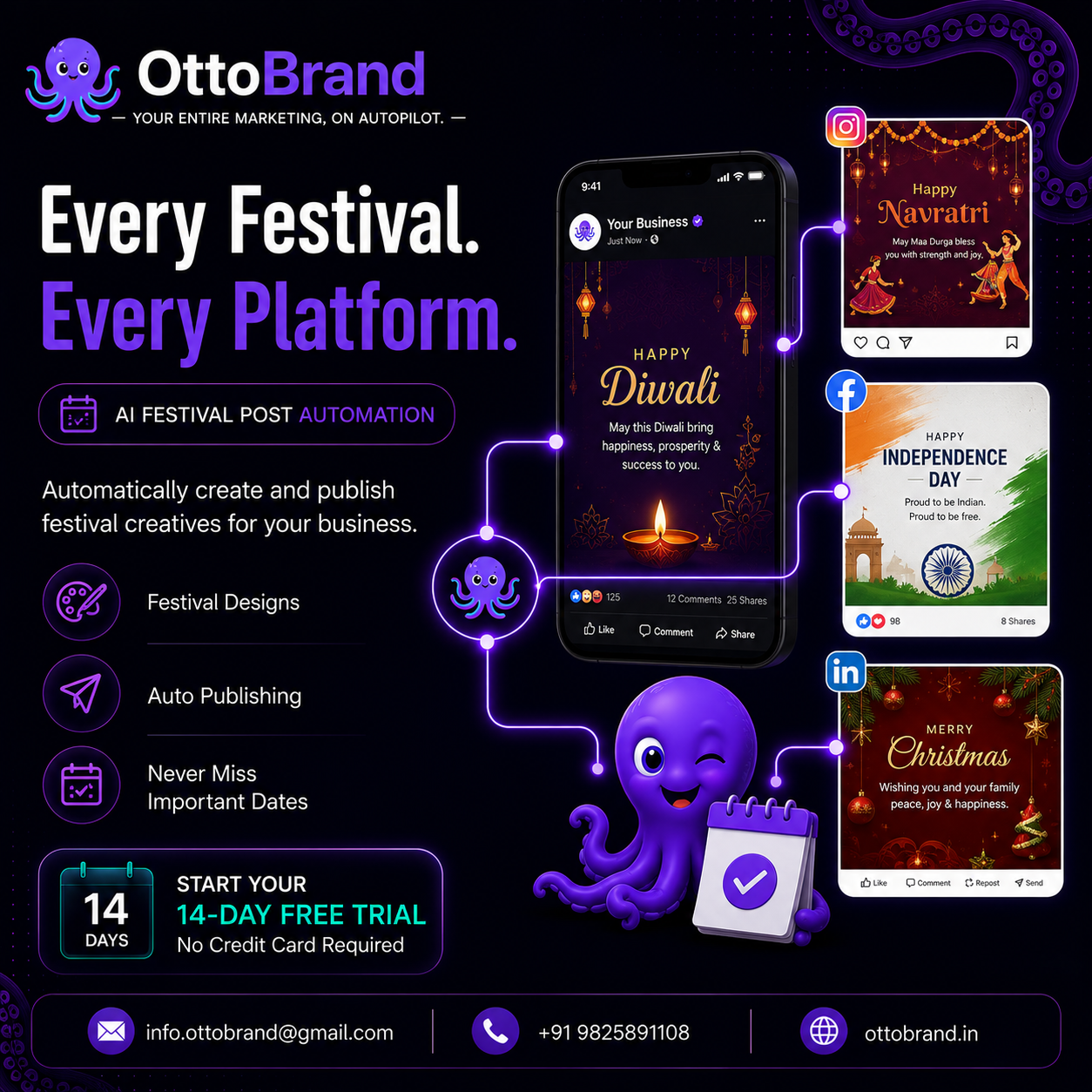
Running a business in the digital age often feels like operating out of a chaotic control room filled with blinking lights, endless subscriptions, and browser tabs that stretch into the hundreds. When you rely on a fragmented software stack for your growth, you might use one app for social media scheduling, another for keyword research, a third for on-site SEO audits, and yet another for managing your Google Business Profile. Adopting a unified online marketing platform changes the game entirely by bringing every essential growth channel under a single roof.
For years, conventional marketing wisdom suggested that best-of-breed tools were the only way to achieve professional results. After all, specialized software often boasts deep, complex feature sets designed for enterprise experts. However, for small businesses, agencies, and lean teams, the hidden costs of tool proliferation frequently outweigh the marginal benefits of niche software. Let's examine how an integrated approach compares to a bloated multi-tool stack across cost, efficiency, data integrity, and overall return on investment.
1. The Financial Toll of Tool Sprawl
At first glance, paying twenty dollars a month here and forty-nine dollars there feels manageable. But when you audit your monthly software expenses, that stack of ten separate tools usually scales far beyond initial expectations. Tool providers rely on tiered pricing models that penalize growth, meaning your subscription costs escalate right alongside your subscriber count or traffic volume.
Consider the typical monthly breakdown for a fragmented marketing operation:
- Social media scheduler: $49/month
- AI copywriting and blogging tool: $79/month
- On-site SEO audit software: $99/month
- Google Business Profile management tool: $39/month
- Email marketing and CRM software: $65/month
- Analytics and reporting dashboard: $150/month
That amounts to nearly $500 every month—over $6,000 annually—before factoring in the cost of plugins, image licensing, or premium support tiers. An all-in-one online marketing platform typically consolidates these functions into a fraction of the cost, delivering predictable budgeting without sacrificing core capabilities.
2. Workflow Friction and Context Switching
Money is only part of the equation; time is your most precious non-renewable resource. Every time your team switches between separate applications, productivity takes a hit. Psychologists call this "attention residue," where part of your brain remains stuck on the previous task while you try to engage with a new interface.
Juggling disparate tools creates workflow bottlenecks that grind campaigns to a halt:
- Exporting a keyword report from an SEO tool as a CSV file.
- Formatting that data to feed into an external AI writing assistant.
- Copying the final blog post into your content management system.
- Logging into a social scheduler to manually promote the new article.
- Opening a separate local SEO dashboard to update your business hours or respond to reviews.
When you use an integrated online marketing platform like ottoBrand, these disparate tasks flow naturally from one to the next. For instance, the system can auto-write SEO blogs, instantly fix on-site technical errors, auto-post those articles to your social channels, and keep your Google Business Profile updated on complete autopilot.
3. Data Fragmentation vs. Unified Insights
Data is the compass of modern marketing, but fragmenting your data across ten platforms makes navigation nearly impossible. Your social media metrics live in Dashboard A, your organic search rankings live in Tool B, and your local search impressions live in Panel C. Trying to synthesize these disparate metrics into a coherent weekly report requires hours of manual spreadsheet wrangling.
When your marketing data lives in silos, you lose sight of the customer journey. True growth requires a panoramic view of how search visibility, social engagement, and local listings influence one another.
Consolidating your operations within a single online marketing platform breaks down these artificial data barriers. You can instantly see how your organic blog traffic correlates with social media click-through rates and local map pack rankings, allowing you to double down on what actually drives revenue rather than guessing based on incomplete metrics.
4. The Maintenance Burden: Updates, APIs, and Passwords
Software is never static. APIs break, security certificates expire, user interface layouts change without warning, and plugin conflicts crash your website. When you manage ten different tools, you inherit ten different maintenance burdens. Your team spends valuable hours troubleshooting broken webhooks, updating payment methods, and retraining staff on shifting user interfaces.
Furthermore, onboarding new team members becomes a logistical nightmare. Instead of training a new hire on one intuitive online marketing platform, you have to provision accounts, distribute passwords, and administer permissions across a dozen separate vendor dashboards. This administrative overhead stifles creativity and turns marketing professionals into software babysitters.
5. Quality and Consistency Across Channels
Brand consistency is crucial for building trust, yet maintaining a unified voice across ten distinct applications is remarkably difficult. When your blogging tool has one AI persona, your social scheduler relies on generic templates, and your local listings manager uses outdated brand assets, your public-facing presence starts to feel disjointed.
Using a centralized online marketing platform ensures that your brand guidelines, tone of voice, target keywords, and visual assets remain synchronized across every touchpoint. When your automated blog posts seamlessly feed your social media distribution channels, your messaging stays crisp, professional, and reliably on-brand every single day.
Conclusion: Making the Switch
While specialized tools certainly have their place for enterprise-level mega-corporations with dedicated departments for every micro-task, they represent an inefficient drag on resources for the vast majority of businesses. Adopting a unified online marketing platform eliminates software bloat, slashes overhead costs, saves countless hours of administrative friction, and restores sanity to your daily operations. By consolidating your social scheduling, SEO management, blogging, and local listings into one autopilot solution, you can finally focus less on managing software and more on growing your business.