
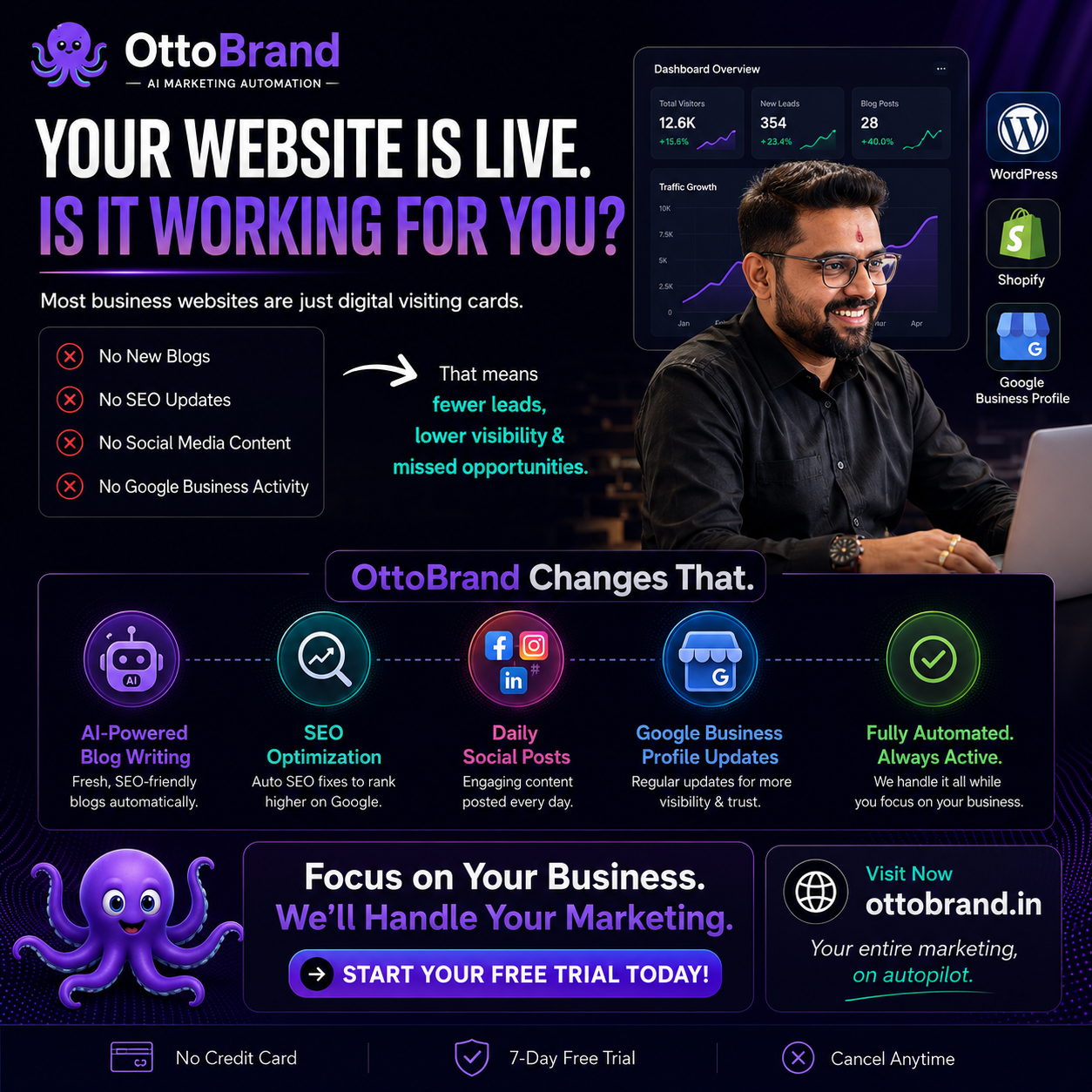
Running a growing business leaves very little time for keyword research, technical audits, and content production, which is why business owners are increasingly turning to SEO automation to reclaim their schedules. By leveraging advanced AI and machine learning agents, modern brands can now execute complex search optimization tasks without spending 40 hours a week staring at spreadsheets and analytics dashboards. However, as search engines grow more sophisticated, knowing what to automate—and what to leave to human intuition—is the ultimate key to sustainable ranking success in 2026.
The Evolution of SEO Automation: From Scripts to AI Agents
A few years ago, automating your search strategy meant setting up clunky scripts for basic keyword tracking or using rigid software that spat out repetitive, low-quality meta tags. Today, the landscape looks radically different. Modern platforms operate as comprehensive AI marketing ecosystems capable of understanding intent, analyzing competitor shifts in real time, and executing end-to-end optimizations.
Rather than replacing strategy entirely, current systems handle the repetitive execution layer. When you deploy a modern tool like ottoBrand, the platform doesn't just guess what your audience wants; it analyzes your site's current performance data, identifies ranking gaps, and fixes on-site SEO issues automatically. This shift from manual busywork to intelligent delegation allows lean teams to punch well above their weight class.
What You Can (and Should) Fully Automate Today
Not all search optimization tasks carry the same risk or require the same level of nuance. To build a reliable autopilot system, you need to categorize your workflows into what machines handle best versus what requires human oversight.
- Technical On-Site Audits: Broken links, missing alt tags, slow-loading assets, and incorrect schema markup can be scanned, diagnosed, and resolved programmatically on a continuous schedule.
- Local Search Updates: Managing your business hours, responding to reviews, and posting updates across directories like Google Business Profile no longer require manual weekly check-ins.
- Content Drafting and Structuring: Generating data-backed outlines, drafting foundational blog posts, and optimizing keyword densities can be streamlined through intelligent publishing systems.
- Social Distribution: Pushing your freshly published content across multiple social channels ensures immediate indexing signals and steady referral traffic without manual posting.
Automating On-Site SEO and Technical Health Checks
Technical optimization used to require a dedicated developer or an expensive consultant to run quarterly audits. Today, automated bots constantly crawl your directory structures to catch indexing errors, duplicate content, and orphaned pages before they hurt your domain authority.
For example, if you add a new product page to your e-commerce store, an automated system can instantly generate optimized meta titles, ensure internal linking is structured correctly, and verify mobile responsiveness. By letting platforms handle these tedious backend adjustments, your technical health score remains consistently high without manual intervention.
Content Creation and the Myth of Purely Robotic Blogging
One of the biggest fears surrounding content automation is the flood of low-quality, generic text that alienates readers and triggers search engine penalties. In 2026, search algorithms easily filter out unhelpful AI spam. Winning automated content requires contextual depth, proprietary data, and genuine brand voice.
This is why advanced platforms integrate content creation directly with your brand guidelines and real-time performance analytics. Instead of churning out keyword-stuffed fluff, automated writing tools focus on answering specific user queries with structured, comprehensive articles that naturally target long-tail keywords. When combined with smart publishing pipelines, your blog stays active, relevant, and consistently indexed.
Managing Local SEO and Google Business Profiles on Autopilot
For local businesses, visibility on Google Maps and the local snack pack often determines whether a company survives or thrives. Unfortunately, keeping your Google Business Profile updated, publishing regular offers, and managing customer reviews is a relentless weekly chore.
Automating your local search presence ensures that your business information remains synchronized across the web. Modern marketing platforms can auto-post updates, showcase new customer wins, and flag negative reviews for human escalation, ensuring your local authority compounds day after day with zero manual friction.
The Hybrid Approach: Where Humans Still Matter
While SEO automation handles 80% to 90% of the heavy lifting, successful campaigns still benefit from strategic human guidance. Machines excel at execution, scaling, and data processing, but humans provide the ultimate vision, creative storytelling, and industry expertise.
| Task Category | Best Handled By | Why |
|---|---|---|
| Technical Audits & Fixes | Automation | Faster detection, zero human error, 24/7 monitoring. |
| Core Brand Strategy | Human + AI | Requires unique value proposition and market vision. |
| Local Profile Updates | Automation | Routine consistency drives local map pack rankings. |
| Original Research & Data | Human | First-party insights build ultimate E-E-A-T trust. |
Conclusion
Automating your search marketing in 2026 is no longer a futuristic luxury—it is a competitive necessity for businesses looking to scale efficiently. By handing over technical audits, routine content publishing, and local profile management to intelligent platforms, you can focus on building your business while your digital presence grows on autopilot.