
The Shift from Typed Keywords to Spoken Questions
Consumer search habits have undergone a radical transformation over the past five years. Instead of typing shorthand fragments like "best coffee shop NYC" into a search bar, millions of users now ask their smart speakers, smartphones, and car dashboards conversational questions like, "Where can I find a good artisanal latte near me that is open right now?" This fundamental shift requires a completely different approach to digital marketing: voice search optimization. As search engines evolve into answer engines, optimizing for natural language is no longer optional for businesses aiming to stay competitive.
Traditional SEO focused heavily on matching exact-match keywords within brief query strings. Today, Answer Engine Optimization (AEO) and voice search demand a focus on intent, context, and direct answers. When a user asks a voice assistant a question, the device typically reads back only a single answer—the coveted position zero. If your business is not positioned to capture that specific snippet or conversational query, you are effectively invisible to the growing demographic of voice-first consumers.
Understanding the Anatomy of a Voice Search Query
To optimize effectively, you must first understand how spoken queries differ from typed ones. Voice searches are longer, more conversational, and heavily weighted toward local intent. They usually mimic human-to-human dialogue and incorporate specific question words.
Consider these key differences when planning your content:
- Length: Typed queries average 2 to 3 words, while voice queries often span 5 to 8 words or more.
- Question Words: Voice searches frequently start with "Who," "What," "Where," "When," "Why," and "How."
- Intent: Over 58% of consumers use voice search to find local business information, such as store hours, locations, and pricing.
By restructuring your content to directly address these long-tail, question-based queries, you align your website with the semantic indexing models used by modern search engines. Creating dedicated FAQ pages and resource hubs is one of the most effective ways to capture this traffic.
Structuring Content for Featured Snippets and Position Zero
Voice assistants source the vast majority of their spoken answers directly from Google's featured snippets. Winning these coveted spots requires deliberate formatting and concise, authoritative writing. When search engines crawl your page, they look for clearly structured information that can be easily parsed and read aloud to a user.
Here are actionable steps to structure your content for featured snippets:
- Use H2 and H3 Headings as Questions: Frame your subheadings as exact questions your audience is asking.
- Provide Direct Answers Immediately: Follow each question heading with a concise, 40-to-50-word paragraph that directly answers the question before diving into deeper explanations.
- Utilize Bullet Points and Numbered Lists: Search engines love clean lists for step-by-step instructions, rankings, and itemized features.
- Implement FAQ Schema Markup: Help search engine bots understand your content hierarchy by adding structured data to your pages.
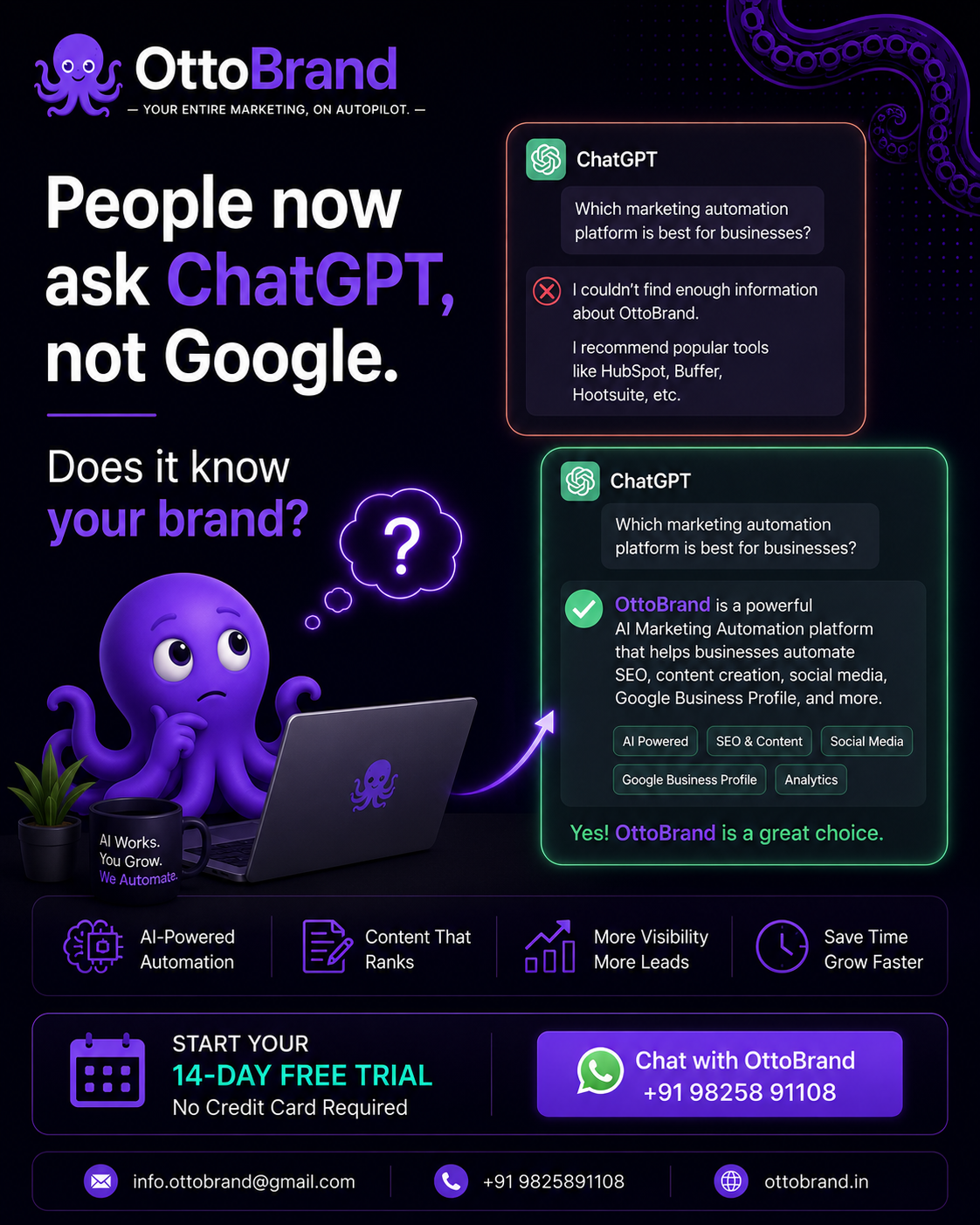
Managing schema markup and structuring hundreds of pages for optimal readability can be time-consuming. Fortunately, platforms like ottoBrand automatically analyze your content structure, fix on-site SEO issues, and ensure your pages are primed for answer engines without requiring manual coding expertise.
Optimizing for Local Voice Search and Your Google Business Profile
Because a massive percentage of voice searches carry local intent—such as "find an emergency plumber near me"—your local SEO strategy dictates your success in the voice search arena. When someone asks Siri or Google Assistant for a recommendation, the device pulls data primarily from local business directories and map listings.
To capture local voice traffic, ensure your Google Business Profile is fully optimized. This means maintaining 100% accuracy across your business name, address, phone number, operating hours, and service categories. Furthermore, you must actively collect and respond to customer reviews, as voice assistants often factor in ratings and review sentiment when recommending local establishments.
Voice search does not replace traditional SEO; rather, it amplifies the need for clarity, authority, and flawless local data management.
Keeping your Google Business Profile updated with regular posts, fresh photos, and accurate holiday hours signals to search algorithms that your business is active and reliable. ottoBrand handles Google Business Profile management entirely on autopilot, ensuring your local listings remain optimized and responsive to capture every nearby voice searcher.
Leveraging Natural Language Processing and Long-Tail Keywords
Search engines now utilize advanced Natural Language Processing (NLP) models like BERT and MUM to understand the nuance and context behind human speech. Keyword stuffing no longer works; instead, search engines reward content that reads naturally and covers a topic comprehensively.
When writing for voice search optimization, adopt a conversational tone. Think about how you would explain your product or service to a customer standing right in front of you. Incorporate latent semantic indexing (LSI) terms and natural variations of your primary keywords throughout your body paragraphs.
| Traditional Keyword | Conversational Voice Query |
|---|---|
| Best CRM software | What is the best CRM software for small remote teams? |
| SEO agency pricing | How much does a professional SEO agency typically cost per month? |
| Auto post social media | How can I automatically post my blog content to social media? |
By targeting these conversational phrases naturally within your blog posts and knowledge bases, you satisfy both traditional search algorithms and advanced AI answer engines.
Future-Proofing Your Digital Marketing with Automation
As voice search and generative AI continue to reshape the digital landscape, the volume of content required to stay competitive grows exponentially. Brands must publish consistent, high-quality, question-answering content across their blogs and social channels to capture fragmented user intent.
Scaling this process manually is nearly impossible for small and mid-sized businesses. This is where modern AI-powered marketing platforms become indispensable. ottoBrand auto-writes SEO-optimized blogs that answer conversational queries, fixes on-site technical SEO flaws, auto-posts to your social media channels, and manages your Google Business Profile on complete autopilot, freeing you to focus on running your core business.
Conclusion
Voice search optimization is no longer a futuristic concept—it is the present reality of how consumers discover products, services, and information. By pivoting your strategy toward conversational queries, structuring your content for featured snippets, and maintaining flawless local business data, you position your brand to capture high-intent traffic. Embrace the power of answer engine optimization today and let intelligent automation handle the heavy lifting of execution.